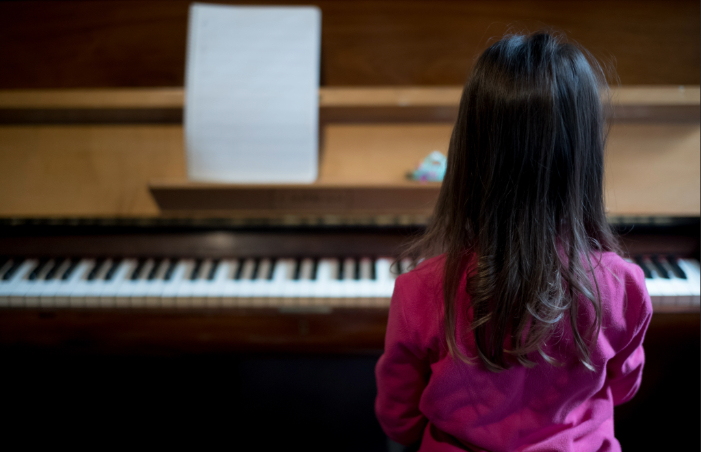
Many parents wonder when their child should start piano lessons. Some children seem interested very early. Others enjoy music but are not quite ready for formal instruction yet.
The good news is that there is no perfect starting age for every child. Readiness matters more than a number on a birthday cake. A child who is curious, able to focus for short periods, and open to learning from a teacher may do very well with beginner piano lessons, even if they are young. Another child may benefit from waiting a little longer, especially if lessons would feel frustrating instead of fun.
If you are looking for piano lessons in Rhode Island, the best first step is understanding what readiness actually looks like. Piano lessons should help your child build confidence, musical awareness, and healthy practice habits. They should not feel like pressure.
Why Piano Readiness Matters More Than Age
Parents often ask, “What age should my child start piano lessons?” While age can be a helpful starting point, it does not tell the whole story.
Some children are ready around age five or six. Others may be ready earlier, especially if they show a strong interest in music and can follow simple directions. Some children may need more time before structured lessons make sense.
Piano lessons require a few basic skills. Your child needs to listen, take turns, follow instructions, use their fingers independently, and try something more than once. They do not need to read music perfectly. They do not need to know the theory. They do not even need to sit still for a full hour.
Beginner lessons should be age-appropriate, patient, and encouraging. The goal is not to turn a young child into a performer overnight. The goal is to help them enjoy learning while building a strong musical foundation.
Signs Your Child May Be Ready for Piano Lessons
Every child is different, but there are a few common signs that piano lessons may be a good fit.
They Show Interest in Music
Interest is one of the clearest signs. Your child may sing often, tap rhythms on the table, dance when music plays, or try to pick out sounds on a keyboard. They may ask questions about instruments or seem drawn to the piano when they see one.
Interest does not have to be intense. A child does not need to beg for lessons every day. Even steady curiosity can be enough to start.
They Can Focus for Short Periods
Young beginners do not need a long attention span, but they should be able to focus for short stretches. If your child can listen to a story, complete a simple puzzle, follow a craft activity, or stay with a task for 10 to 15 minutes, they may be ready for beginner piano instruction.
A good teacher will not expect a young child to sit silently for an entire lesson. Beginner lessons often include movement, clapping, singing, rhythm games, and short activities at the keyboard.
They Can Follow Simple Directions
Piano lessons involve listening and responding. A teacher might ask your child to place their right hand on the keys, repeat a rhythm, play high notes, or try a short pattern again.
Your child does not need to follow directions perfectly. They just need to be able to work with an adult in a learning setting without becoming overwhelmed.
They Are Comfortable Trying Again
Music involves repetition. Students play something once, then try it again. That can be hard for children who get frustrated quickly.
A child who can handle gentle correction, try again after a mistake, or laugh off a wrong note may be ready. Mistakes are part of learning piano, and early lessons should help children see them as normal.
Their Hands Are Developing Enough for Basic Playing
Small hands are not a problem, but basic finger control helps. If your child can use individual fingers to press buttons, hold a pencil, color, build with blocks, or complete simple hand coordination tasks, they may be ready to begin.
A beginner teacher can adapt lessons for smaller hands. Early piano learning does not require big stretches or advanced technique.
Signs Your Child May Need a Little More Time
Waiting is not failure. Sometimes, the best choice is to give your child more time before starting formal piano lessons.
Your child may need to wait if they have little interest in music, strongly resist instruction, or become upset when asked to repeat a task. They may also need more time if they struggle to follow simple directions from adults outside the family.
Another sign is frustration. If the idea of lessons creates stress before they even begin, it may be better to keep music informal for now. Sing together. Listen to music. Let them explore a keyboard at home without pressure.
You can also start with short, playful musical activities instead of weekly lessons. Clap rhythms, sing call-and-response songs, or let your child experiment with high and low sounds. These simple experiences can prepare them for lessons later.
How Parents Can Support Early Piano Learning at Home
Parents do not need to be musicians to support a beginner. Your role is not to become the teacher. Your role is to help lessons feel consistent, positive, and manageable.
Start by creating a simple practice routine. For young children, five to ten minutes a day can be more useful than one long practice session once a week. Keep it short and predictable.
Place the piano or keyboard in a comfortable space where your child can practice without feeling isolated. If practice feels like punishment, it will be harder to build momentum.
Praise effort more than perfection. Instead of saying, “You played that wrong,” try, “I like how you tried that again.” Children build confidence when they feel safe making mistakes.
It also helps to stay involved without taking over. Ask your child what they learned. Let them show you a song, rhythm, or finger pattern. Celebrate small progress.
What to Look for in a Beginner Piano Teacher
The right teacher matters, especially for young beginners. A strong beginner piano teacher should be patient, clear, and encouraging. They should understand how to work with children who are still developing attention, coordination, and confidence.
Look for a teacher who adjusts to your child’s pace. Some students move quickly. Others need more repetition. Both are normal.
A good teacher should also communicate with parents. You should understand what your child is working on, how practice should look at home, and whether your child is progressing comfortably.
For young students, personality fit is just as important as musical skill. Your child should feel supported, not judged. Lessons should have structure, but they should also leave room for curiosity and fun.
If you are comparing music lessons in Rhode Island, look for a setting where beginners are welcomed and where instruction can be personalized to the student’s age, ability, and goals.
Piano Lessons Should Feel Encouraging, Not Stressful
Starting piano is a big step for a child. It introduces focus, listening, coordination, creativity, and discipline. But it should still feel encouraging.
Your child does not need to be “naturally gifted” to begin. They do not need to know how to read music. They do not need to practice for long periods right away. They simply need a supportive start and a teacher who understands beginners.
If your child is curious about music, can focus for short periods, and is willing to try, piano lessons may be a great next step. If they need more time, that is perfectly fine too. A slower start can often lead to a better long-term experience.
Looking for piano lessons in Rhode Island? Bedrossian Music in Warwick has been serving musicians, parents, educators, and students since 1978. Our team can help your family find the right starting point for beginner piano lessons, with personalized support that helps young students feel comfortable, capable, and excited to learn.